
• Skip to primary navigation
  • Skip to main content
  • Skip to footer
  • LCA Portal
  • LAMP2
  • LCA Online Donations
  • LCANZ Service Centre
  • Contact

Lutheran Church of Australia

where love comes to life

  • HOME
  • ABOUT US
  • The Latest
    • News
      • The Latest News
      • LCA eNews
      • Calls – Employment – Volunteering
      • Daily Devotions
      • The Lutheran
    • Resources
      • Worship Planning Page
      • Online Worship
      • Congregation Leaders
      • Bulletins and Announcements
    • Events & Projects
      • Implementation of Ordination Resolution
      • Convention of General Synod 2024
      • Convention of General Synod 2025
  • Congregational Life Hub
      • Congregational Life Hub
        Resources and support for all areas of your congregation’s life
        Visit the hub
      • Worship & Faith – Inspiring worship and growing in faith
      • Mission – Equipping congregations for local mission
      • Ministry – Encouraging congregations in ministry
      • Pastoral Care – Supporting those involved in caring for others
      • Governance & Admin – Equipping those involved on church boards and committees
      • Vacant Congregations – Supporting congregations in vacancy
      • Safe Church – Helping you to protect the people in your care
      • Church Workers – Assisting employing and calling bodies
      • Training – Equipping you for serving others
  • FIND A CHURCH
  • CONTACT US
Print Friendly, PDF & Email
PREVENTION OF DFV
AWARENESS AND PREVENTION

Signs and Impact of Domestic Violence
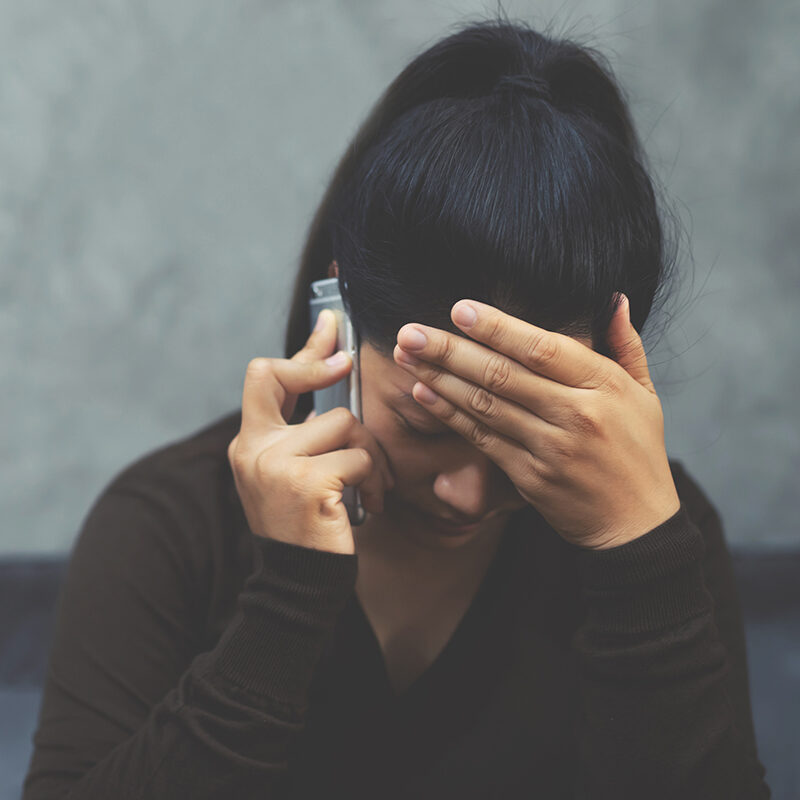
Domestic violence has devastating long-term impacts on the lives of women, men and children, and the fallout extends beyond those who are directly affected – into families, congregations, ministries of the church and the wider community. Some of these impacts and effects are discussed below.

Exit Button – click here to jump to Google
i6rn49q6um85zxoq2b59j0gtd3h5vdik.jpg
AWARENESS AND PREVENTION HOMEPAGE
WHAT IS DOMESTIC AND FAMILY VIOLENCE?
SIGNS AND IMPACT OF DOMESTIC VIOLENCE
FAITH AND DOMESTIC VIOLENCE
RESPONDING TO THOSE EXPERIENCING DOMESTIC VIOLENCE
RESPONDING TO A PERSON WHO IS VIOLENT AND ABUSIVE
THE CHURCH AND HEALING

Signs of domestic violence

Researchers and practitioners have found that the development of domestic violence is often a gradual process over time, and we may initially notice more subtle signs in the person experiencing domestic violence.

The information in the downloadable document below, ‘Signs of Domestic Violence’, outlines some of these clues. It includes signs noted in a booklet called 'Ally Guide' (David Mandel and the Safe and Together Institute).

Signs of Domestic Violence
gs3nhjhexm577yyx1qyejdkfrev6lxjs.jpg

The following video from the NSW Government (Communities and Justice) shows children talking about their experiences of witnessing domestic violence.

There is a Kids Helpline (Australia) on 1800 551 800 and a Kids Helpline (NZ) on 0800 942 8787.

Effects on children and young people

Support has often focused on partners experiencing domestic violence, but we now know that the effects on children and young people can be equally significant.

The Domestic Violence Handbook describes some of the effects on a child or young person witnessing or experiencing domestic violence within their own home, including:

  • feelings of responsibility for the violence, guilt, anger, fear, anxiety, depression, grief, shame, powerlessness, confusion, despair, neglect, unworthiness, low self-esteem, isolation, helplessness and distrust
  • stress-related conditions, such as headaches or stomach pain, sleeping and eating difficulties and frequent illness
  • behavioural problems, such as aggression, acting out, running away, lack of concentration, poor school performance, difficulty making friends, self-harming, animal cruelty or bullying
  • loss of a sense of personal safety
  • developmental delay or regression, e.g. returning to bedwetting after being toilet trained.

The NSW Government (Communities and Justice) reports that for young people, there is a higher chance that they will suffer from depression, be homeless, abuse drugs and alcohol, engage in risk-taking behaviours, experience violence in their teenage relationships, and use violence or be controlling and manipulative in relationships.

Even before birth, research has shown that babies are highly sensitive to their surroundings and can hear and feel what is happening, and their development is impacted (Domestic Violence Handbook, page 20). Children don’t have to see the violence to be affected, and they can also be physically hurt as they get caught in a physical incident. Children themselves report (from the Joint Churches Domestic Violence Prevention Project):

  • ‘I try not to be seen. I will hide under the bed or in a cupboard.’
  • ‘I’m worried about my mum. I’m worried that she’ll be killed.’
  • ‘I just close the door.’
  • ‘I love both my parents.’
  • ‘I’m worried that my friends will find out about what happens in our house.’
Separation and ongoing impact Expand

Unfortunately, even if parents separate, domestic violence does not always cease, as abuse can continue through ongoing harassment or through the Family Court system. The Safe and Together Institute has found that even when separated, 70% of those who use domestic violence still see their children frequently.

The person using domestic violence can continue to harass their former partner by using the children to pass on messages after visits, monitor their partner and report back, convince the children that their other parent has mental health issues or is unfit to be a parent, or set the children up to be angry, disrespectful or questioning of the other parent when they return home from visits. Children are often caught in a confusing ‘loyalty bind’, and they may learn to ignore their own needs to keep the peace with the parent they fear the most.

Counselling Expand

Counselling can be of great benefit to children who have experienced or witnessed domestic violence and for the parent who experienced abuse, when they are ready.

Family counselling for this parent and children can also be of help, where it can be done safely without the perpetrator of the violence intervening.

yfgnz2hv6jx9vnp7kmx8psfhauyvennf.jpg

Impact of domestic violence on parenting

The impact of domestic violence goes beyond mental health effects for the children; it impacts the parenting, the partner’s emotional availability and the family as a whole.

David Mandel (Safe and Together Institute) indicates that the community often has higher expectations of a mother than a father, and when there is domestic and family violence, will often blame the victim of the abuse. To move beyond this means really trying to understand the experience of abuse and the insidious way it destroys family relationships from the inside. Some of the impacts include:

  • Effects on the family – financial problems, frequently moving house, loss of contact with extended family, disruptions to schooling and often frequent changes in schools to hide the abuse.
  • Effects on parenting – mental health issues, including depression and anxiety, post-traumatic stress disorder, less confidence as a parent, energy goes into managing the abuser rather than the children, children lose respect for the parent they see as ‘weaker’ leading to poor relationships and discipline issues, others blame their mother for not ‘protecting’ them instead of the abuser for causing the harm, sometimes parents use alcohol and drugs, and the abuser undermines and interferes with the daily care of the children.
kca1csxe5zlx2f7acrezgsw46n3lwukd.jpg

When adult offspring experience domestic violence

In the church, it can be grandparents who begin to notice the effects of domestic violence in the families of their adult children. It is often a shock to recognise that your adult offspring are experiencing domestic violence and then to have concerns for your grandchildren. It may also be parents who notice their teenagers and or young adults entering relationships that have signs of domestic violence.

In this situation, information from the Safe and Together booklet, Ally Guide, can be helpful for knowing what to do about this. They can also speak to a counsellor or other professional experienced in domestic violence about how to manage their own feelings and to explore how to support their offspring.

Read Judy’s story at www.preventdfv.lca.org.au/our-stories/judys-story

4shvrgn24iiisquffgn57nnecoc41hyo.jpg

Effects when men experience domestic violence

Domestic violence for men follows many of the general forms and patterns that have been described in other sections. However, there may also be some different impacts. Shame can be different, due to community beliefs that men should be strong, with strength being defined in a physical way.

Relationships Australia NSW found that 'Men coming forward to talk about their experiences of violence can feel confused, invalidated and humiliated. They can worry: 'What does it say about me as a man?' It can challenge their perceptions of what a man is 'supposed to be'.

There can also be the concern that because of the high rates of males using domestic abuse, they will be treated with suspicion. If they separate from their partner, this suspicion may lead to the children staying with the mother who is abusive, their concerns being ignored, and the mother using this information as a threat (indicating no-one will believe them). It is important to remember that there are no excuses for abuse by anyone, and that the violence is not their fault.

You can follow this up at www.relationshipsnsw.org.au/what-to-do-if-you-are-a-male-victim-of-domestic-violence and www.healthdirect.gov.au/domestic-violence-against-men

1ku6jtws0q9l3voh2n12ba4grlgke44g.jpg

Impact of elder abuse

Although the majority of domestic violence is currently intimate partner violence, there is an increasing awareness of family violence and the recognition of elder abuse.

Examples of elder abuse Expand
  • ‘Inheritance impatience’ – with parents living longer, adult children can become impatient to receive what they see as their inheritance. It can be misusing the enduring power of attorney, asking a parent to jointly purchase a home and then treating them as if they have no rights there, expecting parents to keep rescuing an adult child with financial issues due to mental health or addiction issues, or arranging for significant bank transfers to the account of the adult offspring.
  • Adult children living at home, not contributing financially or practically to the household, yet becoming threatening when asked to change or move out.
  • Carers, adult children or partners inadequately providing for the physical, medical and emotional needs of the person for whom they are a carer.
  • Making all the decisions for a person with the beginnings of dementia, without consultation, and making decisions that reduce their quality of life.

There are often conflicting emotions for a senior person. They may depend on the care of their adult offspring in many areas of life, or they may feel guilty that they failed in parenting, or issues of protective love, where they continue to rescue the adult child from their problems, and now don’t know how to manage the disrespect or abuse they receive. Seniors are often reluctant to report these issues, and embarrassment and shame are involved (information from workers in an elder abuse prevention and support service in Queensland and the National Elder Abuse Conference, Tasmania 2022).

Areas to be aware of Expand

The 2022 National Elder Abuse Conference in Tasmania identified some areas to be aware of, including:

  • People with early dementia still have the right to be treated with dignity and to make choices in their lives as much as possible.
  • Aboriginal and Torres Strait Islander Peoples may still be experiencing the effects of the Stolen Generations.
  • People who have a different cultural background (such as the Māori people) or come from other countries where culture and the expectations for elders differ have different needs.
  • Undue influence from family or others advising them on financial or legal issues can occur.

Senior people can also experience ongoing domestic violence from a partner. It is not uncommon in these situations that adult children may not believe them (having been protected from the impact of the abuse) and may side with the perpetrator of the abuse. Adult offspring may also become abusive themselves toward the parent, expect the parent to look after their needs (entitlement), or blame their parent for not leaving the perpetrator earlier. This form of elder abuse still requires support.

For more information and videos on elder abuse, see humanrights.gov.au/elderabuse

zwbyrdq67x0jgboff299r82u7zt6yacq.jpg

Being culturally aware and supporting diverse groups

Being culturally aware and supporting diverse groups is known as 'intersectionality'. The Victorian Government’s Family Violence Diversity and Intersectionality Framework defines intersectionality as 'different aspects of a person’s identity that can expose [that person] to overlapping forms of discrimination and marginalisation'. These aspects can include gender, class, ethnicity, cultural background, religion, disability and sexual orientation.
First Nations women Expand

First Nations women are over-represented in domestic violence statistics and are at far greater risk of hospitalisation and death due to violence. ‘Family violence’ can be a preferred term to refer to violence in some First Nations communities, as many Aboriginal people believe it suggests the need for a holistic understanding of violence.

Many First Nations women experience violence combined with issues such as legacies of loss and grief, historic trauma, white privilege, discrimination, poverty, alcohol, drugs and physical isolation.

Many have also found it difficult to break away from their families when violence affects their lives, due to cultural and traditional laws and beliefs. Leaving can result in alienation from the spiritual home and the family, and can mean a lifetime of never belonging. It is literally ‘like dying’.

When First Nations women approach mainstream services for support, they are often fearful that the services will not understand their circumstances or provide culturally appropriate support.

First Nations women can also be reluctant to seek support from their own community where there are strong networks but also a possible conflict of interest for potential allies.

Migrant women and women from non-English speaking backgrounds (NESB) Expand

For newly arrived women and women of NESB, the effects of violence and abuse are made worse by the isolation of moving to a new country where they may have no family or support networks, or do not know of any domestic violence support services.

Migrant women and women from NESB can face barriers such as language and literacy difficulties, lack of knowledge of Australian laws, racist community attitudes, culturally inappropriate services, physical and cultural isolation if they leave a violent relationship, lack of financial help from the government, and changes to immigration or residency status. Visa holders experiencing domestic and family violence will not have their visa cancelled if their relationship breaks down because of domestic and family violence, and should seek help from the Department of Home Affairs.

Women with disabilities Expand

Women with disabilities are more at risk of experiencing domestic violence than other women and are also more likely to experience sexual violence and to sustain injury.

For these women, home can be a vulnerable environment in terms of physical, sexual and psychological violence, whether they reside in their own home, a boarding house or supported accommodation.

These women are also vulnerable to violence and abuse from paid and unpaid carers and can have greater difficulty in accessing support services.

Gay, lesbian and bisexual relationships Expand

Domestic violence occurs in same-sex relationships. What is different in gay, lesbian and bisexual relationships is the social context surrounding the relationship.

In same-sex relationships, both partners may experience discrimination, rejection and isolation from the mainstream community because of their sexual preference. This acts as a barrier to accessing support.

They may also fear isolation from their own community if they end the relationship, or they may struggle to end a relationship that affirms their sexuality. One partner may use threats to ‘out’ the other partner to family, friends or work.

71yk53yhp8z6ygbsaztwqjdymzsglgfw.jpg

Is domestic violence a crime?

Within Australia and New Zealand, there is legislation against domestic violence, and there will soon be legislation against coercive control. Victims can apply for Domestic Violence Orders (DVO) or Apprehended Violence Orders (AVO), or these orders may be issued by police.

There are consequences for breaching an order, which can include court attendance, mandated attendance at a men’s behaviour change group program, probation or a jail sentence. Orders may prohibit or limit the offender from having any contact with their partner or children for up to five years. In some jurisdictions, there will be separate charges of assault, stalking or strangulation, which carry more significant penalties.

For more information, contact your national domestic violence helpline, which can refer you to the best local sources of information.

How did we do?

Did you find what you were looking for? Did you find anything out of date or not working properly? Please tell us how we can improve this page.

Email us

Contact us

Lutheran Church of Australia

197 Archer Street North Adelaide SA 5006
08 8267 7300
admin@lca.org.au

Where to now?

Faith and Domestic Violence
Awareness and Prevention Homepage
Prevention of DFV Homepage

Footer

Quicklinks

  • HOME
  • NEWS & FEATURES
  • CALLS – EMPLOYMENT


  • FIND A CHURCH
  • WORSHIP PLANNING PAGE

Contact us

139 Frome Street
Adelaide SA 5000

08 8267 7300

© 2026 Lutheran Church of Australia

Privacy Policy • Disclaimer

Designed by LCA Communications
