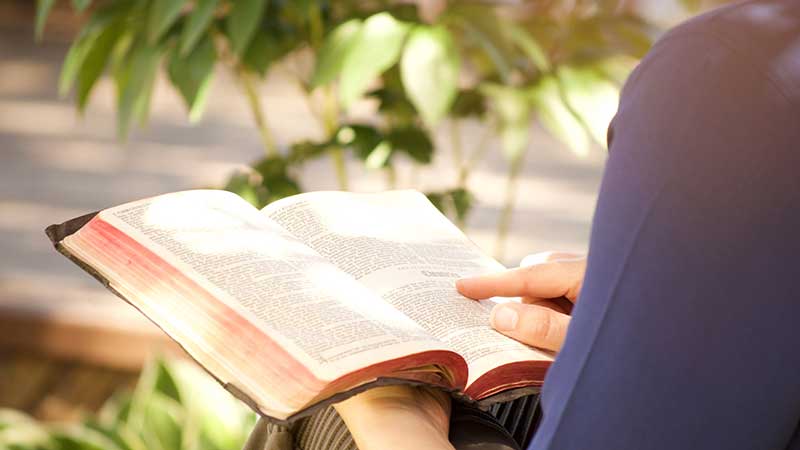
A study on reconciliation

Reconciliation. It’s a thoroughly new relationship; an end to estrangement and hostility.
For the Apostle Paul, it’s about God’s work in Jesus, the way he died, rose and brought us into a right relationship with God. But there’s more. For Paul, reconciliation between people inevitably grows out of God’s reconciliation with us.
What does Romans 5:6–11 show us about our character? About God’s?
It’s quite confronting. Here we face the reality of ourselves as God’s enemies. God saw that reality. And yet he took the hard road, came looking for us and welcomed us into his family. He reconciled with us because of his character, not because of ours.
When are you strongly aware of God’s life-changing reconciliation?
2 Corinthians 5:14–6:3 tells how being reconciled to God turns our lives and our values upside down.
What changes for us and in us? What’s our new mission in life?
Now, Paul says, we are controlled by the love of Christ. Now we value people the way God does. Our new reality –and our ministry –is that in Christ we’re reconciled with God and with each other, regardless of our background, culture or race. We can be honest with each other because God has dealt with it all.
What does it mean to ‘regard no-one from a worldly point of view’? How does this change your attitude to others?
Have you thought of reconciliation as a ministry? How else do you think of it?
There was tension in the early church between Jewish and Gentile groups.
In Ephesians 2:11–22, what reassurance does Paul offer marginalised Gentile Christians?
How does the cross end hostilities between groups of Christians?
Because God has brought us near to himself in Christ, we are also brought near to each other. God’s reconciliation makes us all members of the same household, connecting us in peace.
Does knowing that early Christians struggled to reconcile different groups help in your struggle to live justly and harmoniously in a multicultural church and society? Why or why not?
Ephesians 5:1–2, 21 gives clear principles for relating as God’s people. What are they?
Colossians 1:15–20 sings joyfully of Jesus and the reconciliation he brings to his whole creation. Verses 21–23 make it personal: it’s for each one of us.
Is there someone with whom you need to enact Christ’s reconciliation? How will you take the first step?
Are you putting any obstacles in the way of reconciliation – at home, in the church, or in society? How could these make it difficult for others to trust God’s reconciling action in Christ?
Prayer:
Dear God, we thank you for reconciling us to yourself. We want to be the people you’ve made us to be: united in your body. We recognise that we have prejudices and that we struggle to live together in harmony and love. Forgive us. Help us to see each person with your eyes. Help us to listen with your ears. Reconcile us to each other, and strengthen us to work for reconciliation wherever we are. In Jesus’ name, Amen.
Suanne Tikoft is Aboriginal Women’s Support Worker at Alice Springs Lutheran Church.
This feature story comes from The Lutheran May 2019. Visit the website to find out more about The Lutheran or to subscribe.
READ MORE STORIES ABOUT reconciliation
