Suffering in silence

There are many comforting forms of silence – the cool silence of dawn; the warm silence between friends. There is one silence, though – one absence – that scares some and elicits anger in others. It is the silence attributed to God: specifically, the absence of comfort in the face of suffering. Christians have written about this silence since pen met paper. Now Hollywood is set to put the question.
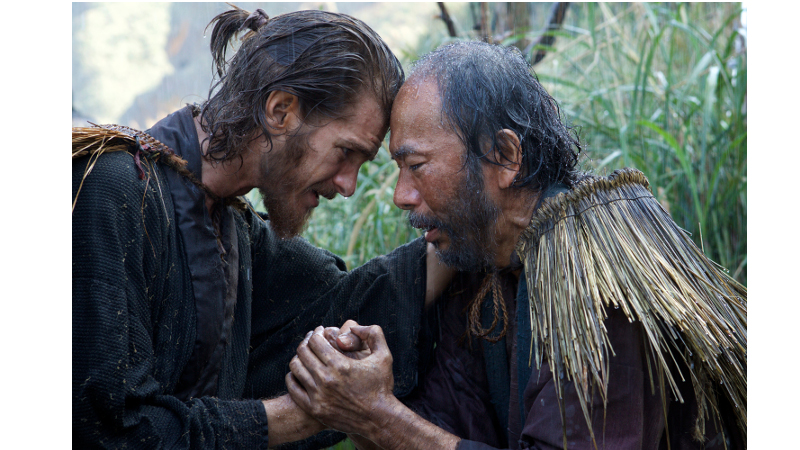
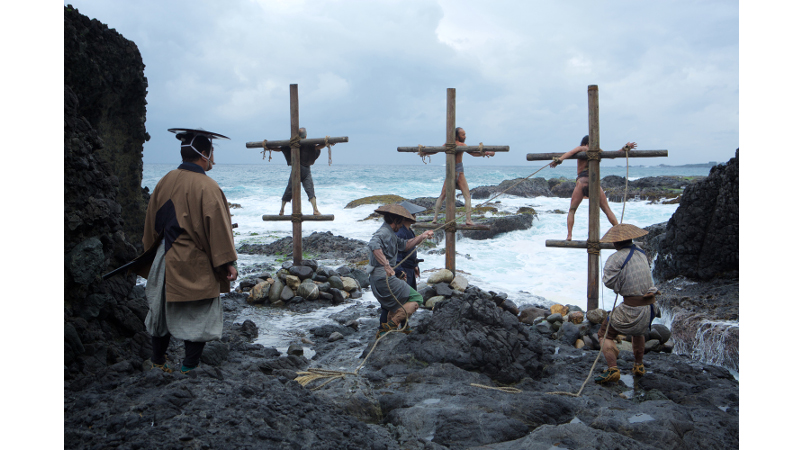
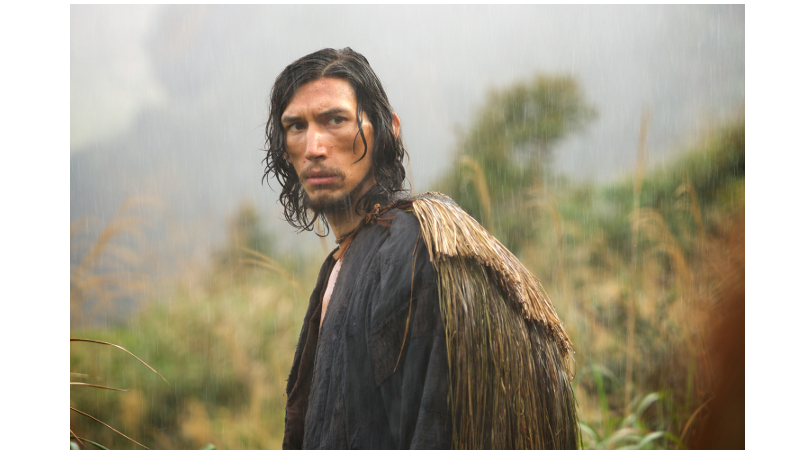
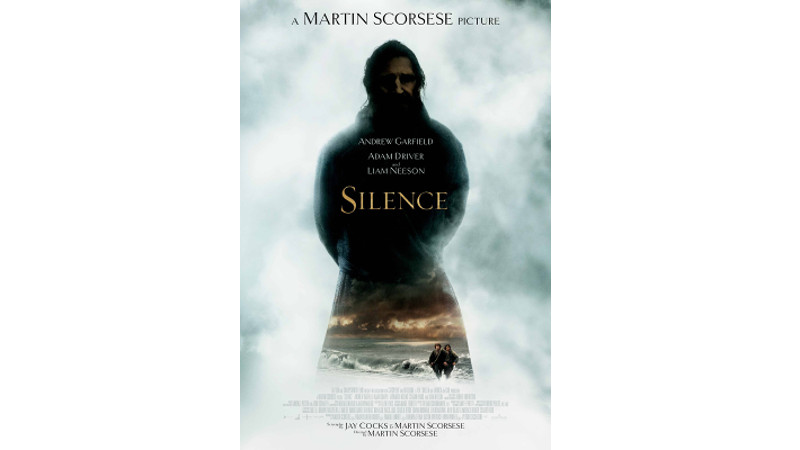
Martin Scorsese’s Silence is based on the award-winning book by Japanese author Shusaku Endo. It opens some 10 years after Christianity has been outlawed in 17th century Japan. Roman Catholic missionaries have been tortured to death, and local converts forced to deny their faith. Andrew Garfield stars as Rodrigues, a young Jesuit priest sent to investigate. He is accompanied by Father Garrpe, played by Adam Driver. Their joint mission is to comfort any surviving Christians they can find.
The believers Rodrigues and Garrpe discover are mostly fervent and thankful to God for sending the young priests. Yet suspicions encircle Japanese guide Kichijiro (Yôsuke Kubozuka), who has denied his faith. When the Christian community is betrayed, Rodrigues and Garrpe witness how determined local believers are, even in the face of prolonged torture. Yet the question constantly arises, where is God?
… is God really silent in the face of suffering? Jesus is God’s answer to the accusation he sits idly by.
Silence is one of the most provocative Christian films ever to be produced by a non-Christian Hollywood. Take the pressure to remain silent in the face of persecution. If the Japanese faithful are prepared to trample on the fumie presented by their inquisitors – crudely carved images of Christ – they will be set free. Rodrigues and Garrpe come to loggerheads over what to advise. Rodrigues encourages them to ‘trample!’ – the images are, after all, nothing more than religious emblems. However, Garrpe realises the fumie represent much more to these fledgling believers and, though they might be weaker brothers and sisters, he is not about to cause them to stumble.
Modern audiences will be tempted to side with Rodrigues, yet the Bible is clear on the importance of public confession, even in the face of persecution. Paul was very familiar with suffering, and in his letter to the persecuted church at Rome, he goes so far as to tie our declaration as believers to our salvation: ‘If you declare with your mouth, “Jesus is Lord”, and believe in your heart that God raised him from the dead, you will be saved’ (Romans 10:9).
And is God really silent in the face of suffering? Jesus is God’s answer to the accusation he sits idly by. Rodrigues comes to understand that Jesus not only suffered on his behalf, but is with him in his doubt: ‘When you suffer, I suffer with you. To the end, I am close to you.’
Silence seems to finish suggesting personal belief, not public profession, is the most important thing. Yet Jesus makes it clear no-one can expect to deny him and still reach the Father. Which leads me to wonder what God might say to the wretched Kichijiro. The clue to his fate, I think, lies in what follows his denials. The wretch keeps tracking Rodrigues down, coming to him even in his captivity, begging to have his confession heard. Jesus may disown those who ultimately disown him, but Kichijiro’s role in Silence reminds me strongly of a trustworthy saying that should give hope to all who struggle to follow Christ: ‘If we are faithless, he remains faithful, for he cannot disown himself’ (2 Timothy 2:13).
Silence
Distributor: Transmission
Release Date: 16 February 2017
Rating: M
