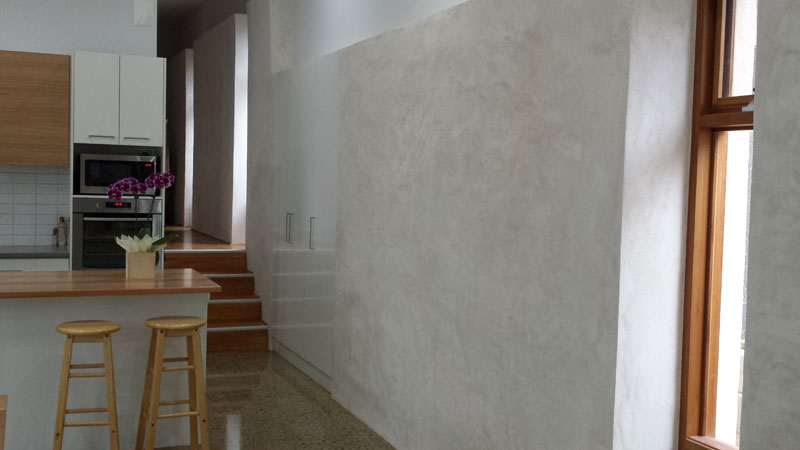
Our straw bale castle

Rather than worrying what the house they have built will do for their social standing or local real estate values, one Adelaide family has placed more importance on the impact it will have on the environment for future generations.
A home is a place to retreat to and recharge from the stresses of the world; a space in which it is safe and comfortable for a family to grow. Darryl Kerrigan, a character from the 1997 hit Australian comedy movie The Castle, was ‘living’ proof of the old saying that ‘A man’s home is his castle’. This past year my family helped design and build our own house, so we could have our own special place to call our ‘castle’.
My husband Benno and I knew we wanted something that encapsulated our values and was an expression of who we are. We wanted a house that was comfortable, light-filled, and sensibly constructed to make careful use of resources. Our Christian belief in being good stewards of the earth’s resources helped inform our choice of building material.
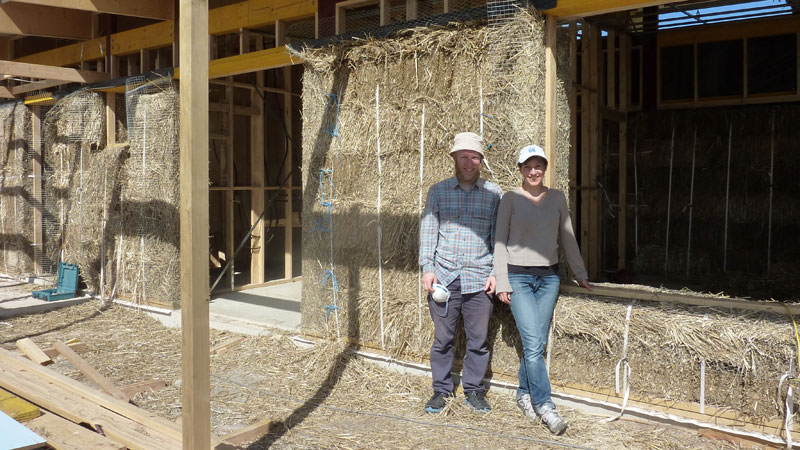
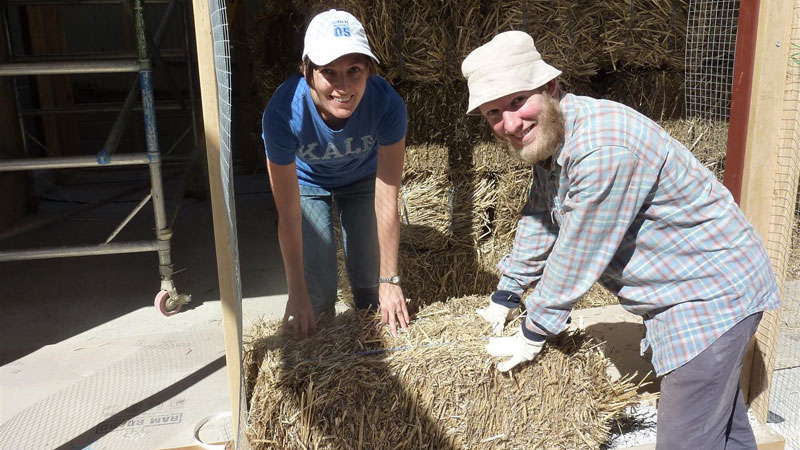
In nature, nutrients are recycled through organisms and waste materials are reused – like food scraps being composted and returned to the soil to grow new plants to feed us. We chose to build our walls out of another compostable waste material: straw bales.
Straw is a waste product from the harvest of grain heads (in the particular example of our house, of wheat). Straw is biodegradable, and if we ever demolish our house, the walls can be returned to the earth by composting them down. Straw is also a readily available and locally sourced material that is easy to work with.
Another consideration for us was having a house that did not require much energy (that is, electricity) to run. We wanted a house that was filled with natural light and could maintain a comfortable temperature year-round, with little additional heating or cooling from air conditioners.
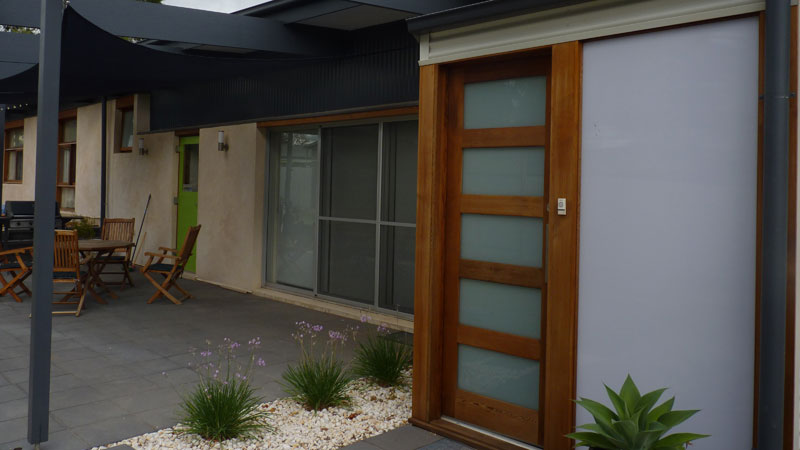
Coincidentally, rendered straw bale walls have very good insulation properties. Straw bale walls have an insulation R value of around 8-10, compared with standard new-build wall insulation, which is R2-3. Houses with high insulation properties should stay cool in summer and warm in winter, making for more comfortable living and reduced heating and cooling costs.
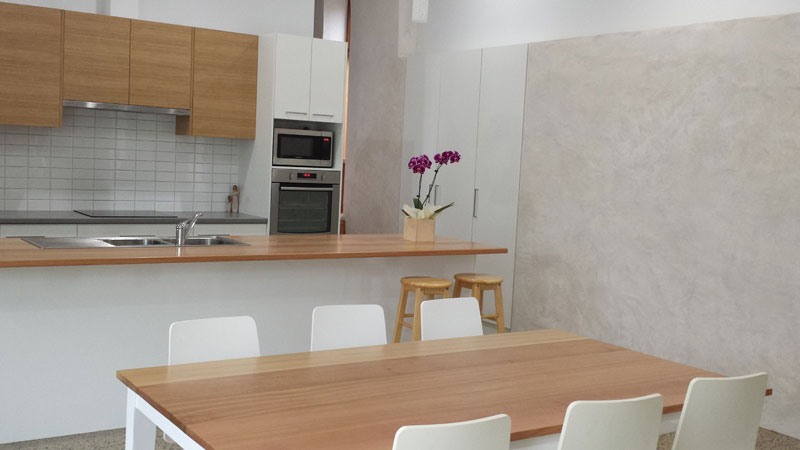
We also selected economical LED lights throughout the house that require little electricity to run; a heat pump hot water system that extracts heat from the air to warm the water; and an electric induction cooktop that directly heats the metal cookware so less heat is lost through radiation. All of these decisions were made to reduce our use of the God-given resources this earth has to offer; to conserve what is available so our children in the future have access to those resources, too.
In addition, we installed a 5.1 kilowatt solar photovoltaic system on our north-facing roof and an 18,000 litre rainwater tank. We feel it is important that we can harvest and use our own rainwater, rather than depleting the resources of the River Murray and our reservoirs, given that we live in the dry state of South Australia.
We enjoy producing our own electricity from our solar panels, as it means we personally require less coal and gas to be burnt in power stations. That, in turn, means less carbon dioxide emissions going into the atmosphere due to our activities, and hopefully our personal impact on global warming is less.
Our house features big windows facing north in every room to capture light and heat from the sun. It has narrow windows along the south side to capture breezes for cross-ventilation and cooling the house down. This careful design contributes to making the house more comfortable as it is able to harness the wind and the sun to maintain a relatively constant temperature year-round.
We are grateful to God for the earth’s bountiful resources, but also mindful of conserving those resources and avoiding overindulgence by being careful stewards. This sentiment is hopefully evident in our home.
We purposefully try to act, care for and tend God’s earth, showing our love and appreciation for his creation by being more mindful and economical in our use of resources, while celebrating all the bountiful riches of living in a modern society. Our castle is our very own straw bale home!
The Lang family lives in suburban Adelaide and are members at Pasadena Lutheran Church. Lara works as a high school teacher inspiring the next generation of scientists and is mum to two children, Hugo and Sveta, who love playing outdoors.You can see Lara and Benno’s house featured in the ‘Care of Creation’ video.
Lara Lang’s tips for families
- Reduce meat and dairy consumption or go vegan: The food we eat has a huge impact on our carbon footprint, and reducing consumption of animal products is an easy way to make a significant reduction in personal greenhouse gas emissions.
- Embrace a minimalist lifestyle: Reduce your consumption of things, buy second hand or share items – the less stuff, the less energy and resources expended.
- Reuse, recycle and compost: Avoid sending rubbish to landfill and close the cycle of resources/nutrients.
- Reduce packaging: Buy food without packaging or food with packaging that can be composted or recycled.
- Grow your own food or make meals from scratch: Learn to appreciate the effort, time, resources, water and energy that go into your food.
READ MORE STORIES ABOUT SA-NT
